The Drying Room
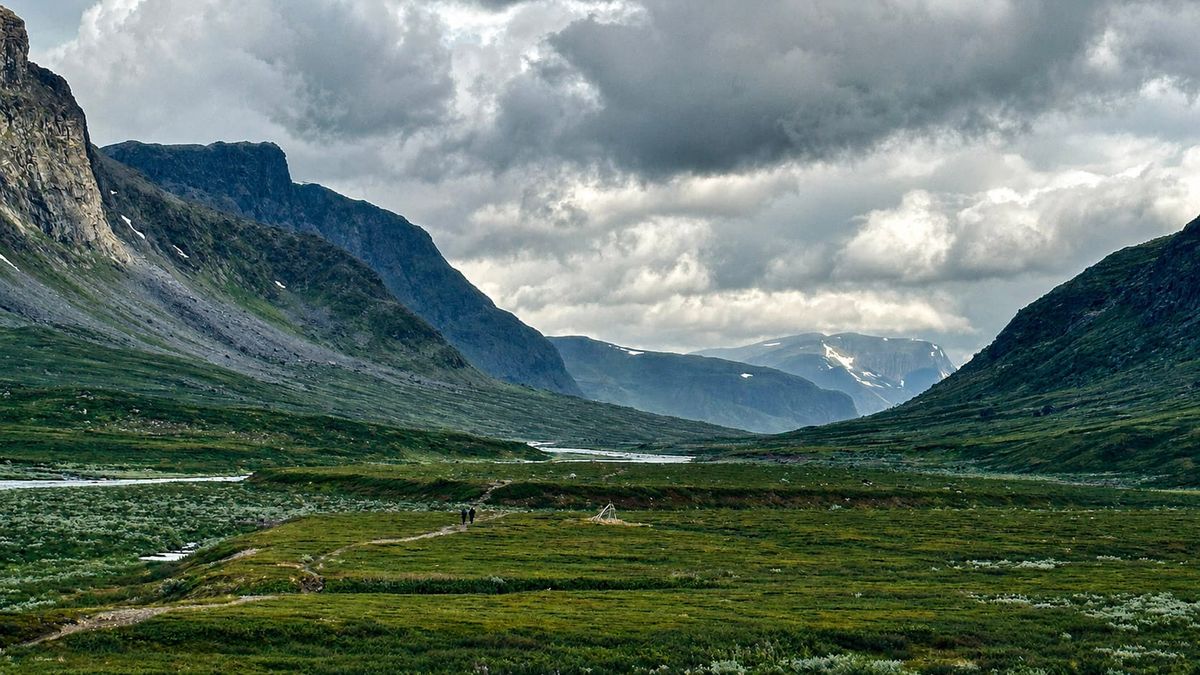
North of the Arctic Circle, I crawled along the trail with my head down, watching my boots disappear into the low shrubs before reappearing a step later. The rain wasn't falling so much as traveling sideways. It struck my face in bursts, hard enough that I wore sunglasses to protect my eyes despite the dim morning light.
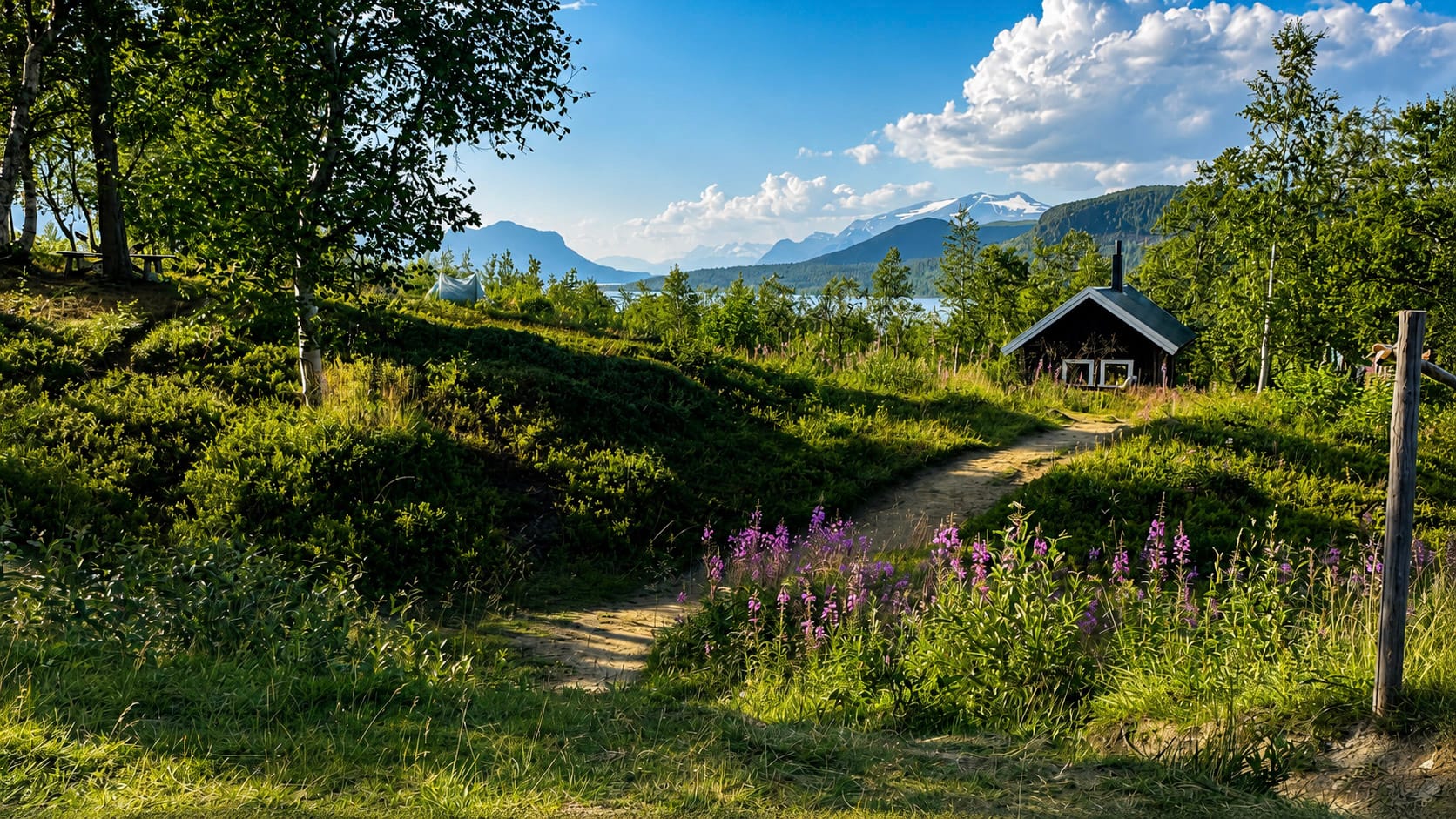
I'd started hiking around three in the morning after waking to the sound of my tent snapping in the wind. In late August, the sun flirted with the horizon, lingering just out of sight for most of the day. Breaking camp in the middle of the night in daylight felt ordinary. Under a dull silver sky, I stuffed a dripping tent into my pack and started walking.
By midmorning I reached one of the STF huts. It was empty.
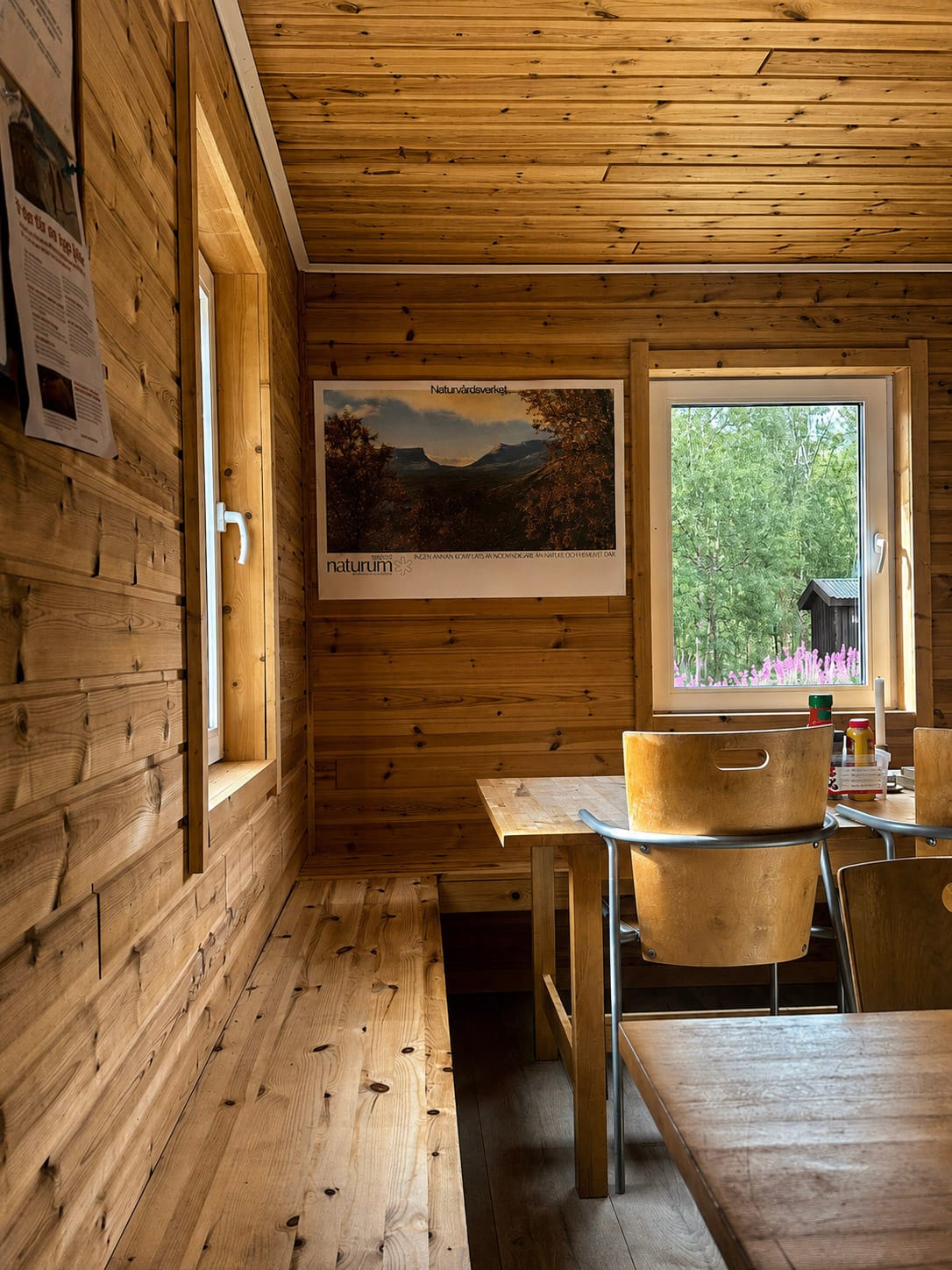
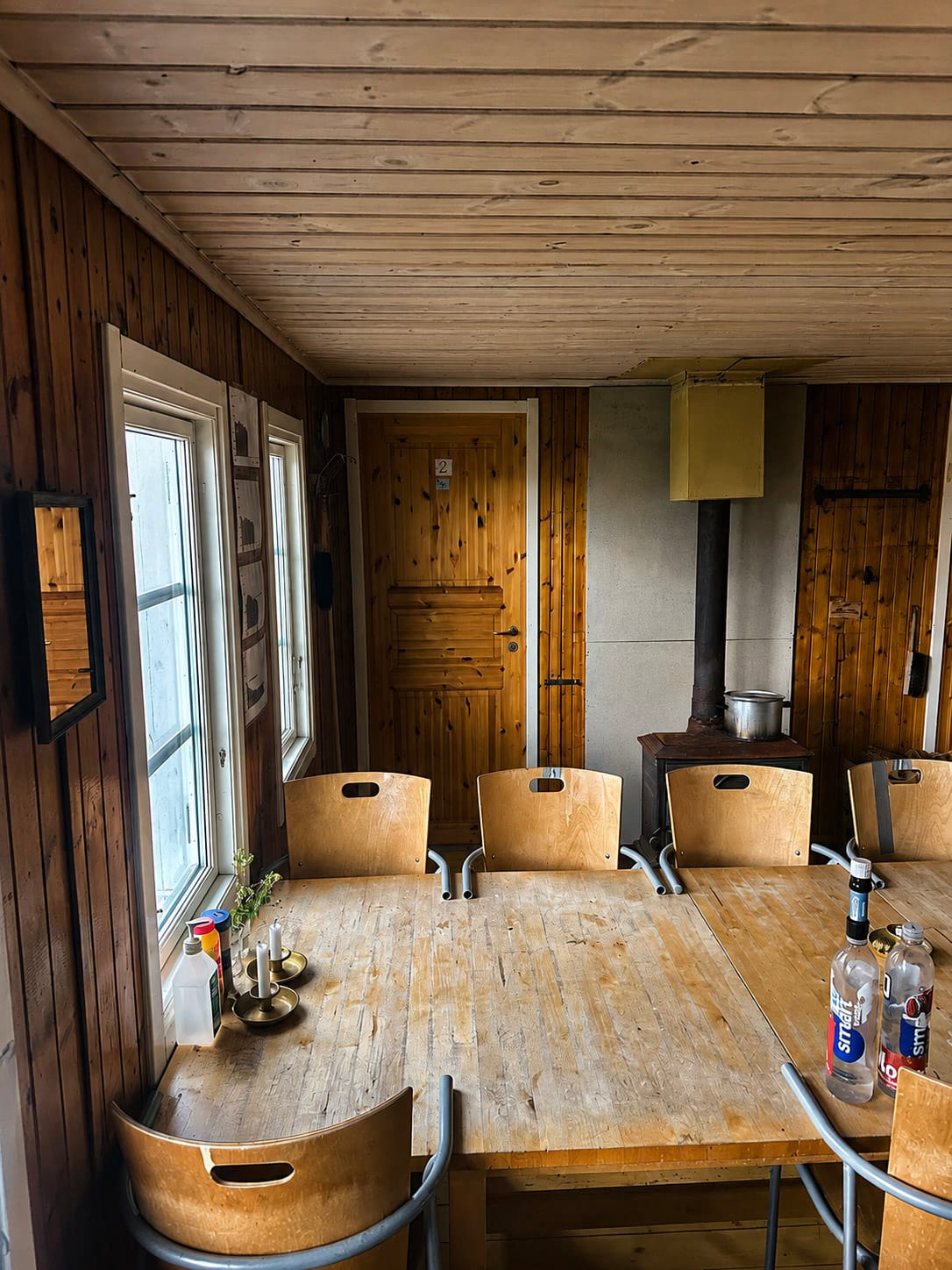
I hung my jacket beside the wood stove, knowing perfectly well it wouldn't be dry in an hour but hanging it there anyway. I set water to boil and sat at the kitchen table, waiting for coffee.
As the kettle began to whistle, the door swung open, and another hiker stumbled inside.
"Oh, what I'd give for a piping hot cup of tea," he said in a British accent. Water dripped steadily from the ends of his hair onto the wooden floor.
I filled the kettle again. Soon we were sitting across from one another with steaming mugs in our hands, comparing our separate encounters with the storm.
Then the door opened again. And again. Before long the kitchen was full.
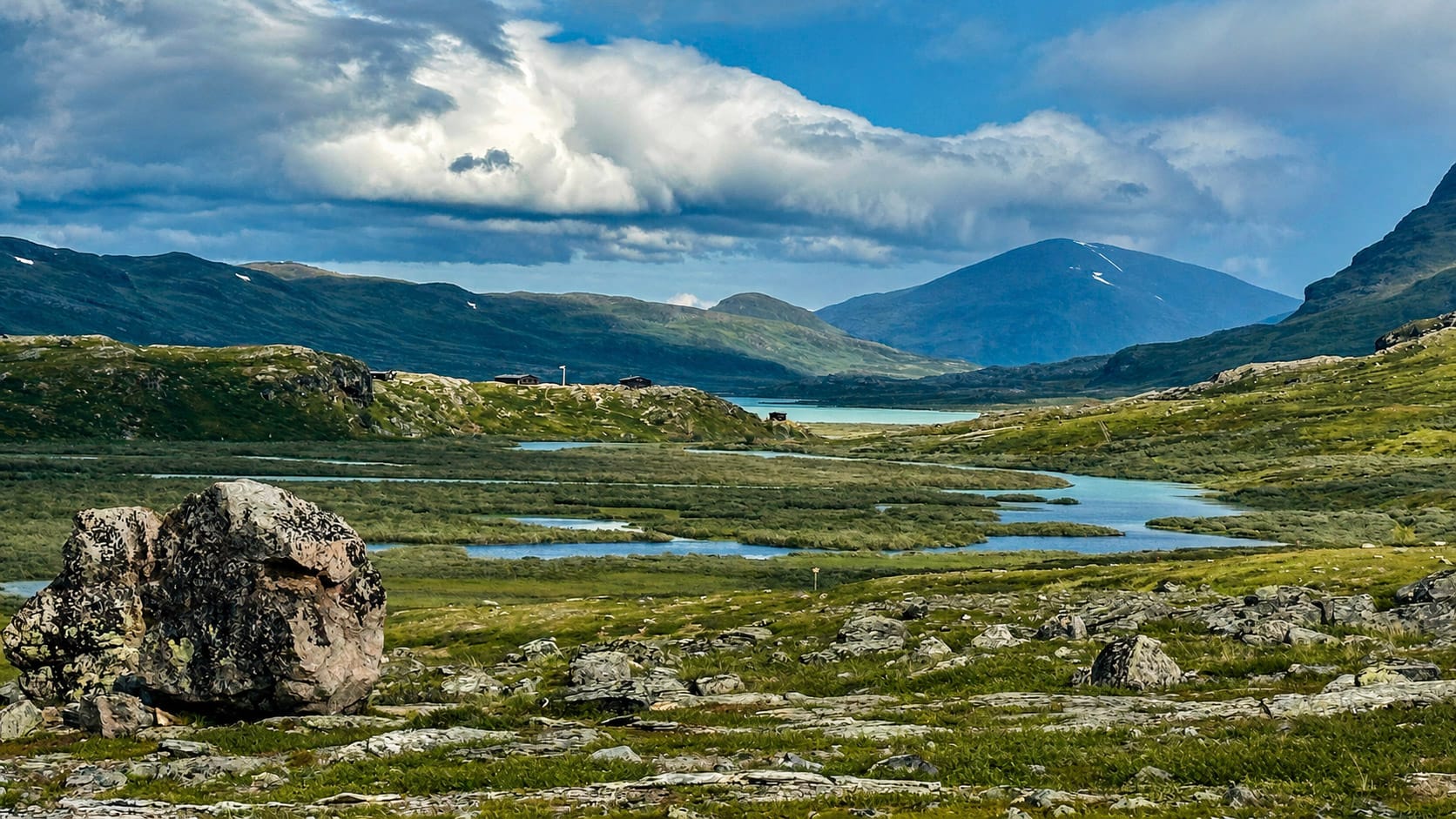
I had come to northern Sweden hoping for long stretches of solitude. I imagined days spent alone on the tundra, where I might go hours without speaking to another person. Instead, I found myself lingering over coffee with strangers I'd met less than an hour earlier.
It’s easy to assume hikers are simply friendlier than average. But I've stayed in enough hostels and alpine huts to know that isn't universally true. Spend enough time around hikers and you'll discover wilderness has its own hierarchies. People compare gear, itineraries, mileage, summits. The trail doesn't magically erase ego, nor does it impart everyone with a sense of openness.
So why did this feel different?
The more I thought about it, the less I believed it had anything to do with hiking. It had something to do with weather.
Every jacket eventually wetted through. Every pair of boots ended the day in the drying room. There is something strangely democratic about a drying room. Gore-Tex hangs beside bargain rain jackets. Merino wool beside cotton. Everything is damp. Everything smells vaguely of wet dog.
I started noticing how quickly ordinary rules disappeared. Someone shifted my jacket closer to the stove to make room for their own, then turned another person's boots upside down so the insoles might dry faster. A map spread across the table became everyone's map.
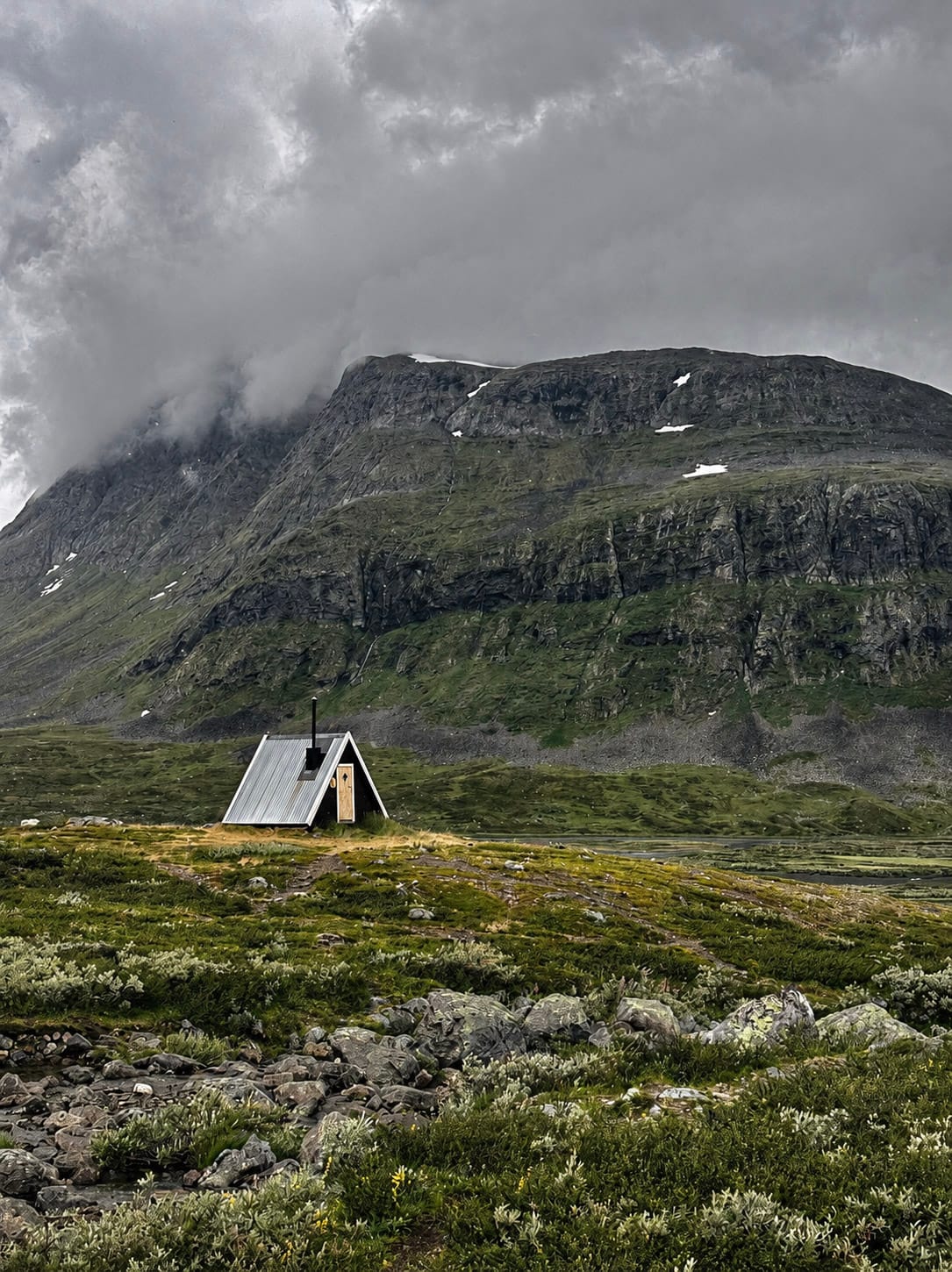
Gradually, we peeled away from the hut one by one. Not because anyone was eager to leave. The weather had only worsened. My jacket was still wet, my socks still damp, but the familiar restlessness of the trail began to creep back in. There was another hut on the other side of the pass, and waiting wouldn't make the wind any kinder.
I pulled on each cold, damp layer in reverse order, piece by piece, like putting on armor that had spent the night in a river.
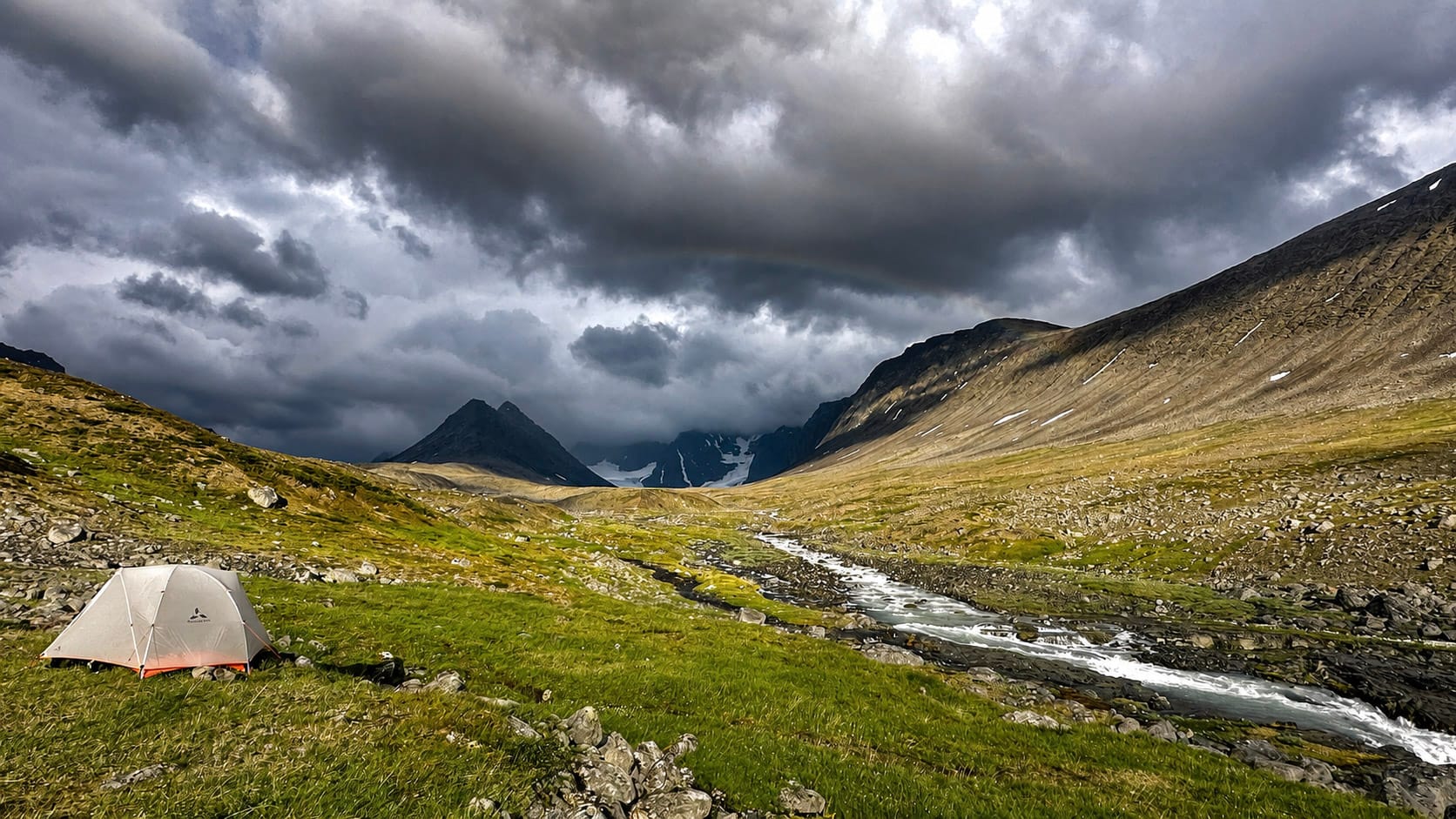
Outside, the rain erased almost everything beyond a few dozen yards. I walked with my head down until the trail tilted upward toward the day's pass. High above me, tiny figures leaned into the wind, bent nearly in half. From a distance they looked less like hikers than bits of debris being blown uphill.
At the base of the climb, a family had stopped beside the trail. Their backpacks lay scattered in the wet grass while two dogs shook themselves uselessly before lying back down in the rain.
We laughed at the weather in the way people sometimes do when complaining would accomplish exactly nothing.
"Looks pleasant up there," the gentleman, presumably the dad, said, looking toward the ridge.
We all looked.
Nobody disagreed.
"Well," I said eventually, "I'll see you on the other side."
By the time I reached the next hut I had stopped caring whether I was wet. There are moments on a long hike when discomfort becomes less of a sensation than a permanent condition. Once that happens, you simply continue.
The hut warden poured me coffee while I waited for my hands to remember how to be warm.
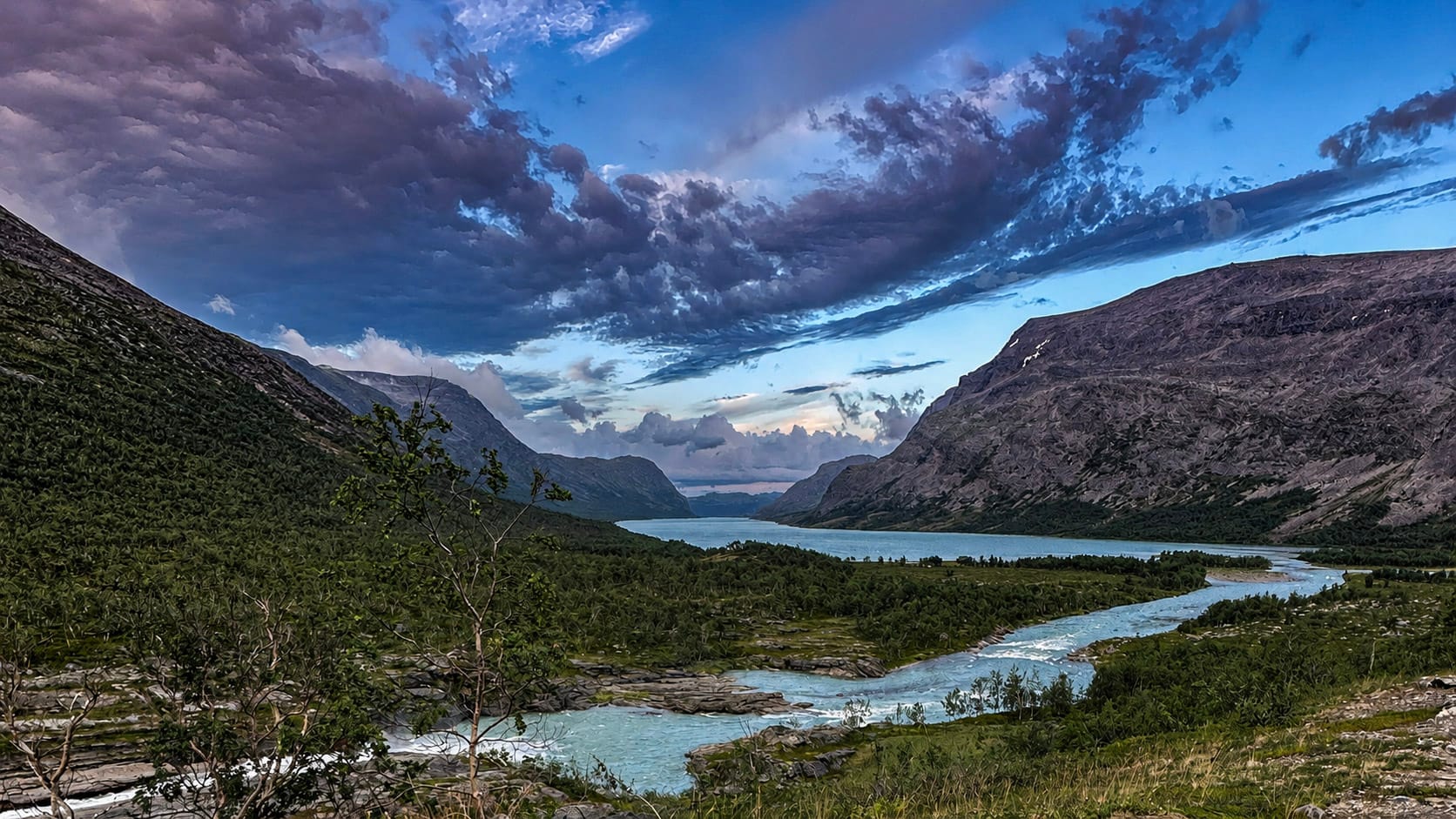
A while later the family arrived. The hut warden stood immediately, smiling as though old friends had just walked through the door. Another warden emerged from the back. Chairs scraped across the floor. Coffee appeared. The room filled with rapid Swedish and easy laughter. I assumed they were all friends, or perhaps regular visitors. Out here, everyone seemed to know everyone eventually. When the family finally shouldered their packs and disappeared back into the rain, the hut grew quiet again.
The warden sat back down across from me. "Do you know who that was?" he asked. I shook my head. "That's Sweden's Prime Minister!"
I tried to replay the afternoon in my head, looking for some clue that should have given him away. There wasn't one. We'd laughed about the weather at the base of the pass. We'd climbed the same hill, been soaked by the same rain, and warmed our hands around the same chipped mugs of coffee. His boots had spent the afternoon in the drying room beside everyone else's. If anything drew more attention than the Prime Minister, it was the family's dogs.