The Protagonist
When I decided to hike the Laugavegur Trail across Iceland, one thing was immediately clear: I would be at the mercy of the weather.
On most trips, I imagine myself as the protagonist. I build itineraries with military precision. I’m generally convinced that enough planning allows me to dictate the plot through my own decisions. I decide where I go, when I stop, what I see, all of it an extension of my will.
Iceland offered no such illusion.
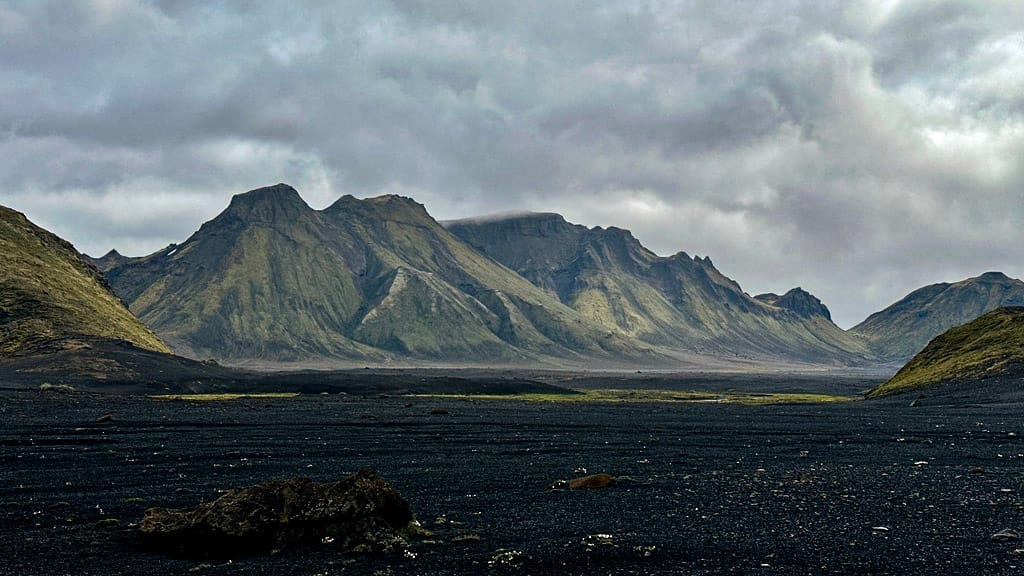
As I researched the hike, every forum, trail report, and YouTube video seemed to tell the same story: tents flattened in the night, hikers forced to turn back, trails disappearing into cloud. The wind was a notorious presence. Before I had ever felt a single gust, I already understood I was preparing to meet something far older and more powerful than myself.
Every decision, whether to keep walking, where to pitch camp, would belong to something I could neither negotiate with nor persuade. The wind could destroy my tent. She could erase the trail. Her wrath could force me to abandon the journey altogether. It became increasingly clear that I was not the protagonist of this story. The weather was.
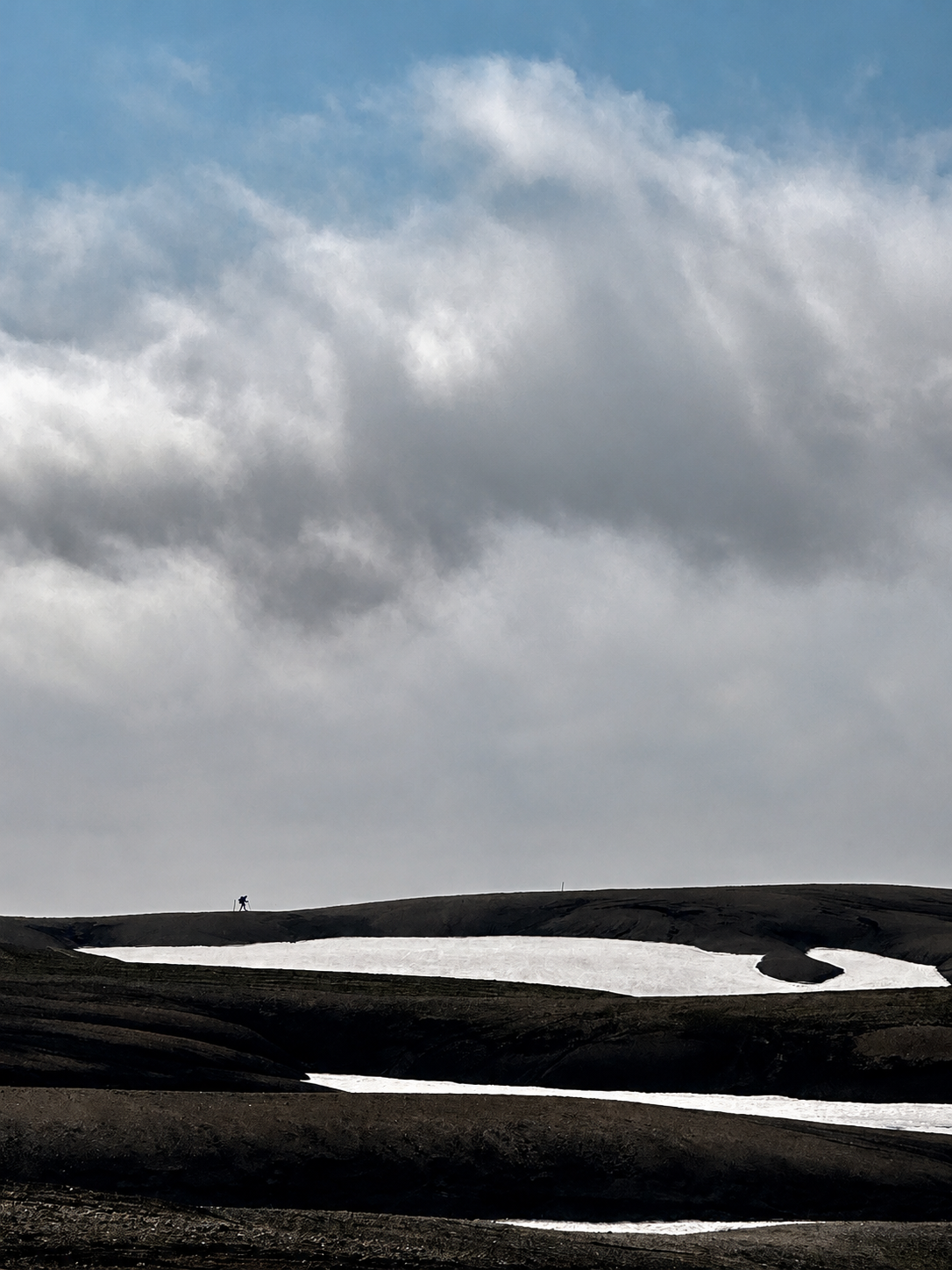
So my first task became finding a shelter worthy of an adversary I had never met.
I watched videos of expedition tents folding under Icelandic gusts as though some invisible giant had pressed a hand upon them. I read account after account of hikers forced to turn back, not because they lacked endurance, but because the wind had simply decided they would not continue.
My old Eureka K2, built for harsher expeditions than this one, would probably have sufficed. But I wanted something lighter. If I'm being honest, I also wanted the quiet thrill that comes with buying a new piece of gear, that comforting illusion that another purchase might somehow negotiate with uncertainty.
Looking back, every piece of equipment I bought was less about preparing for the trail than about attempting to bargain with the wind before we had even been introduced.
The introduction, however, belonged not to the wind but to the land.
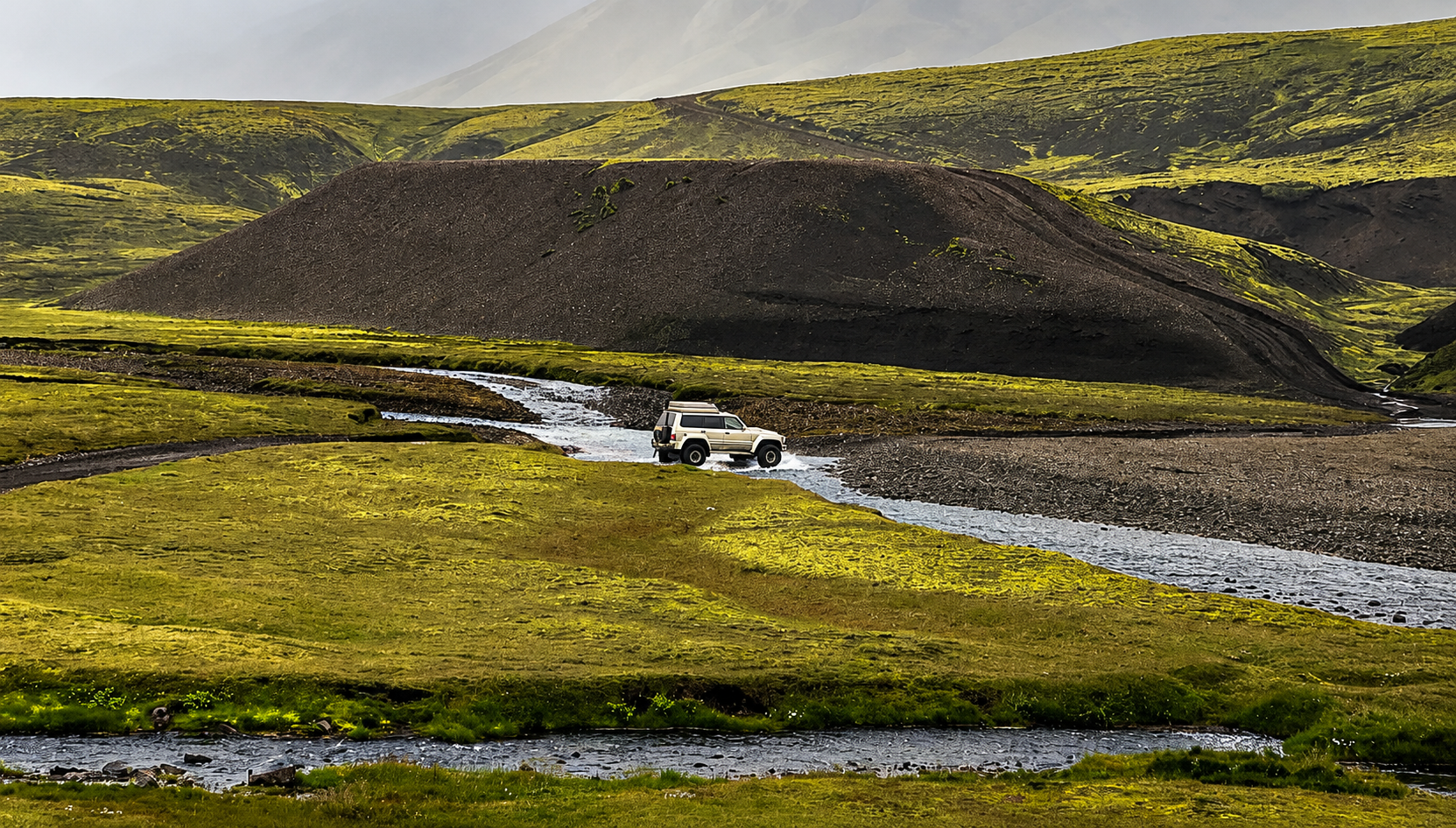
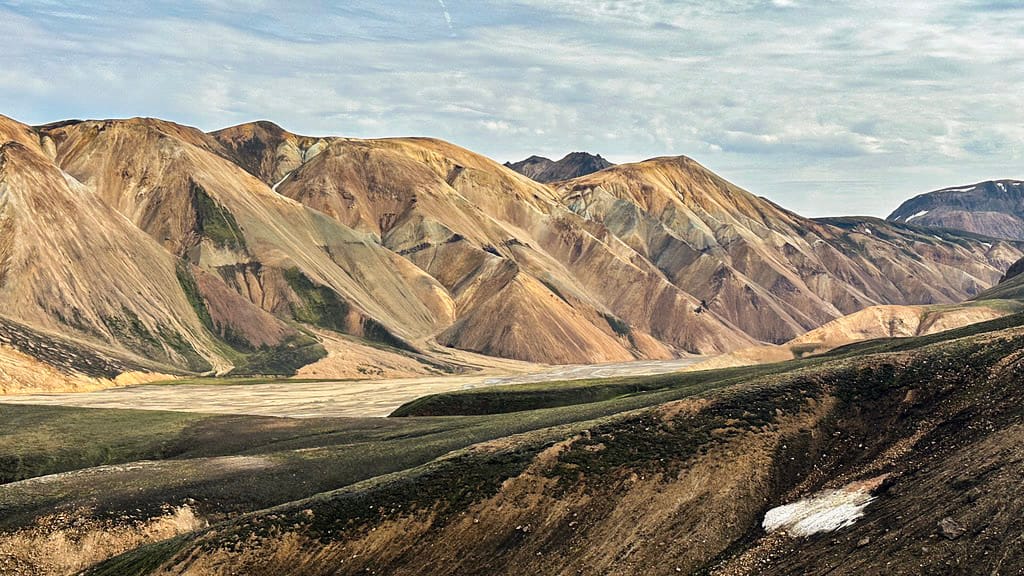
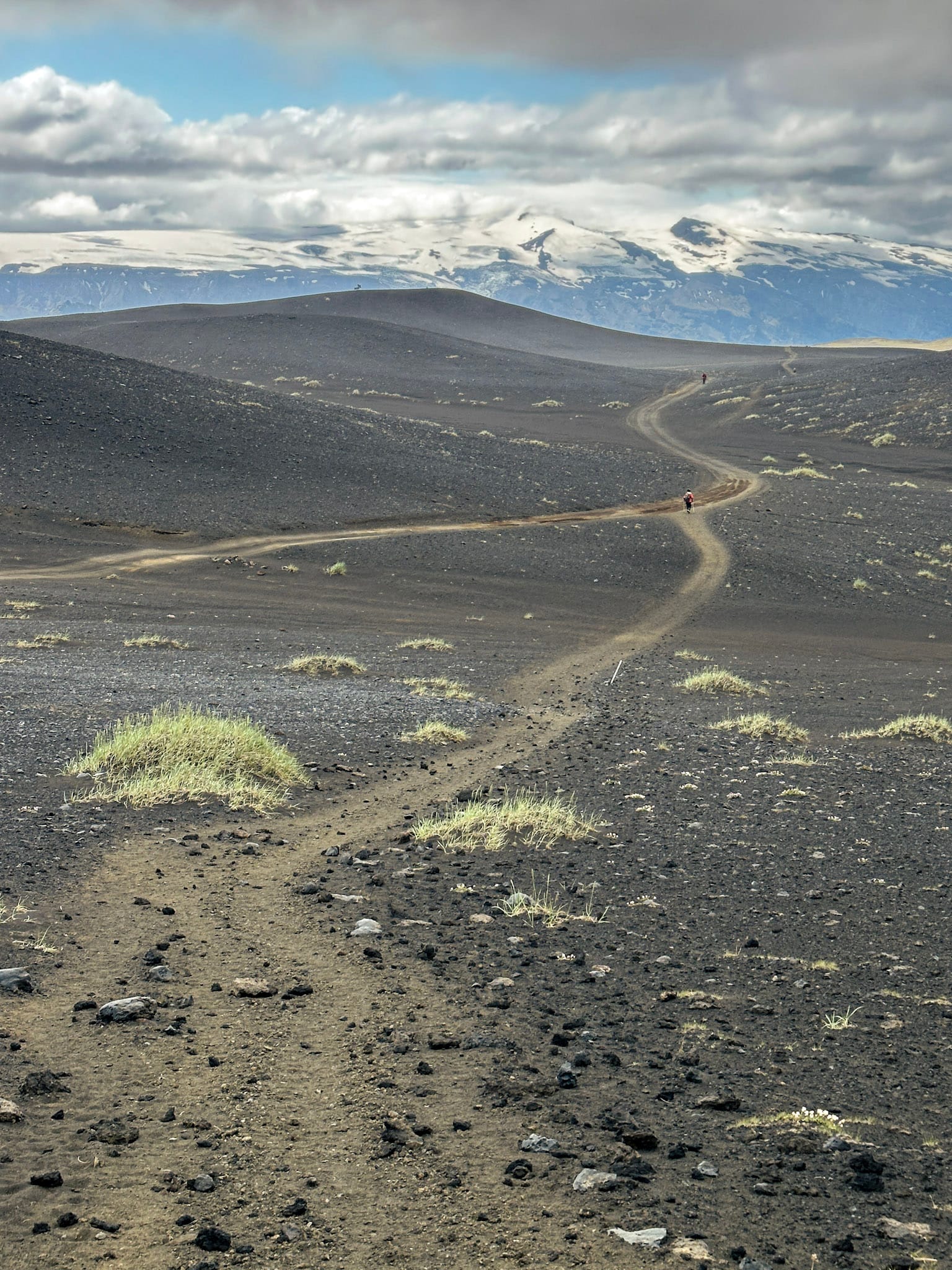
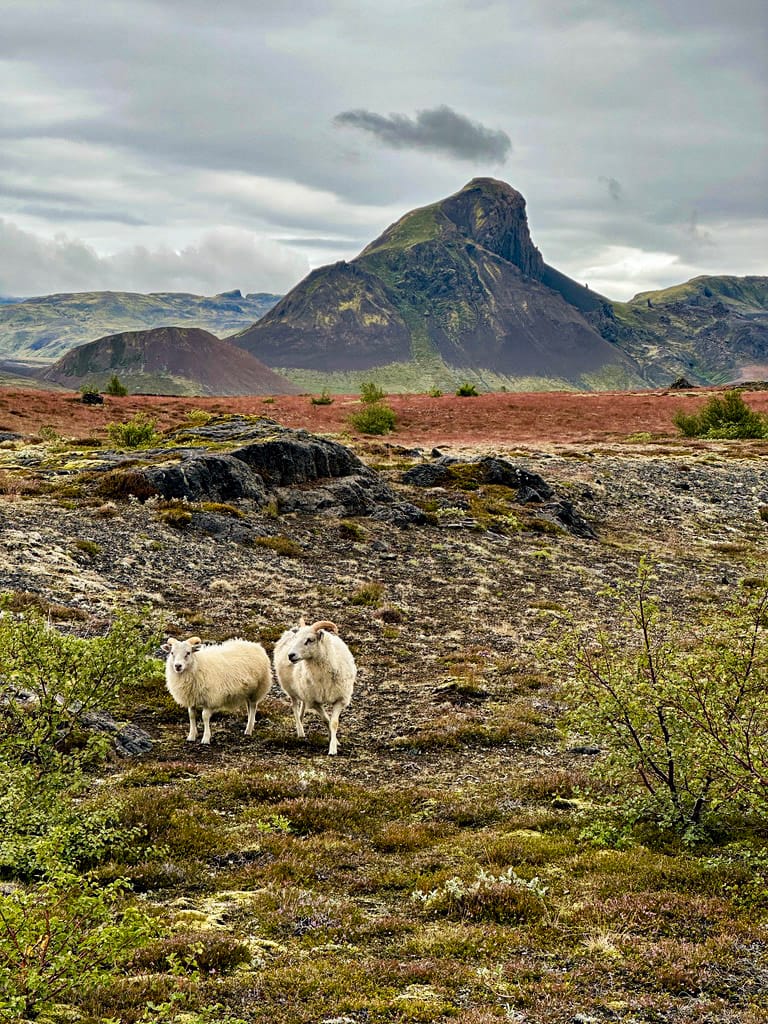
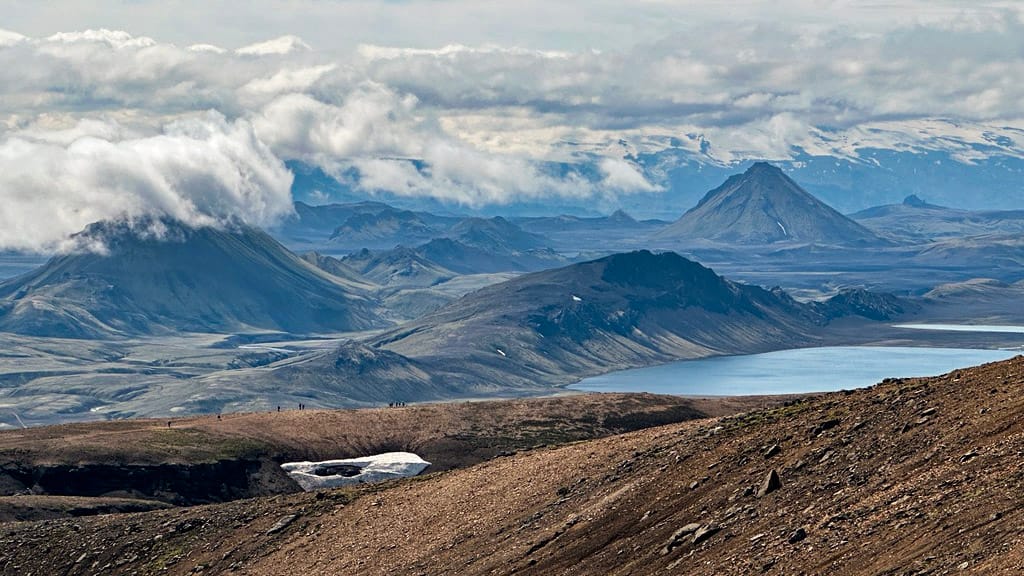
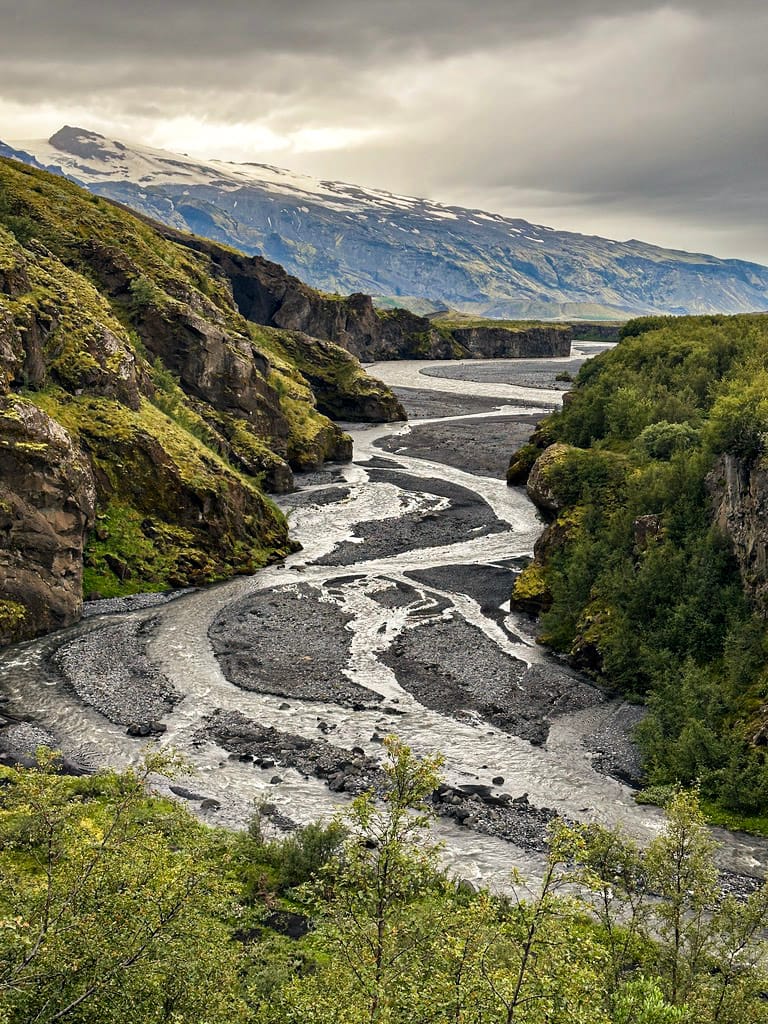
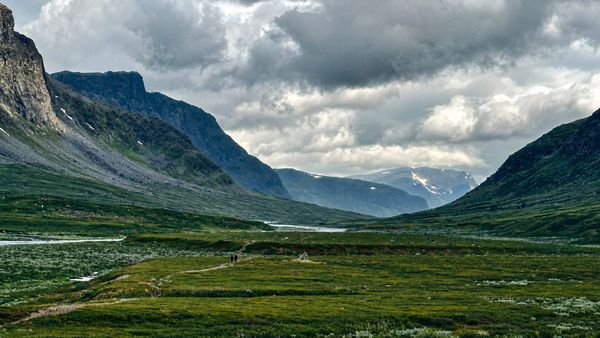
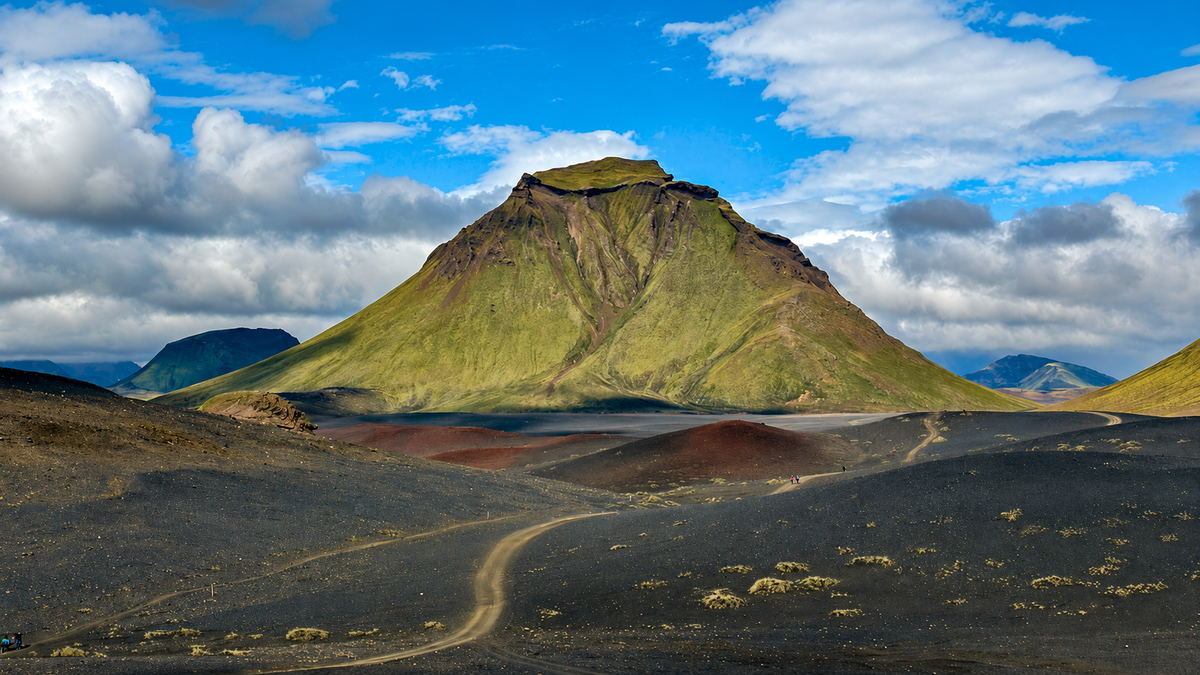
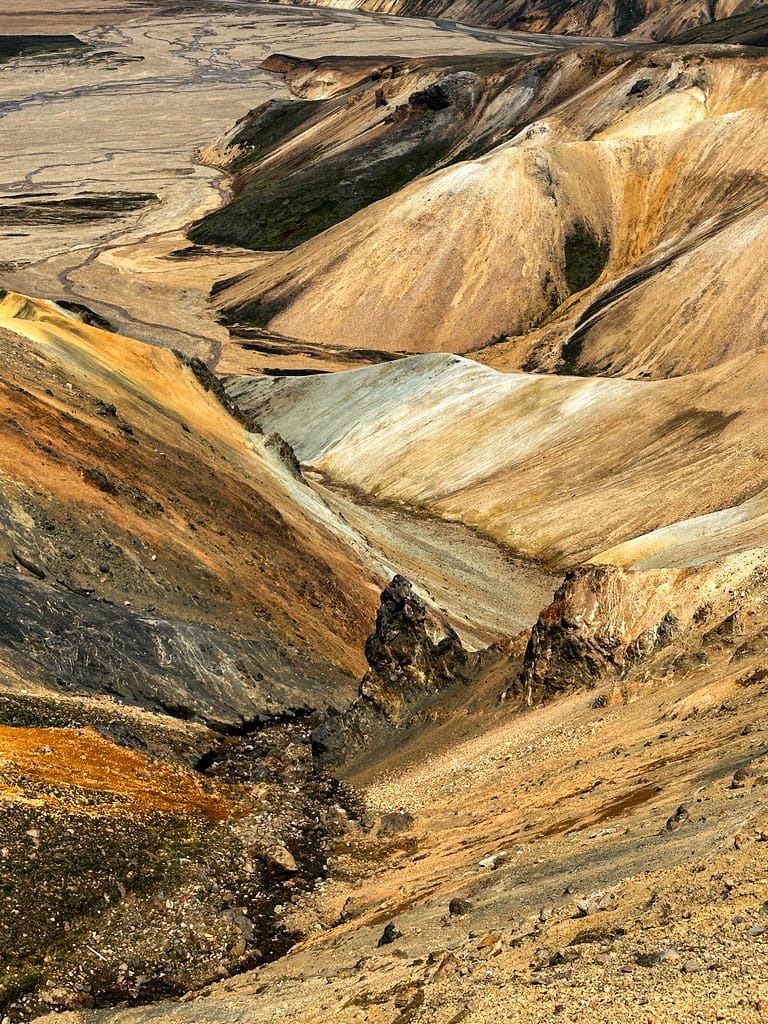
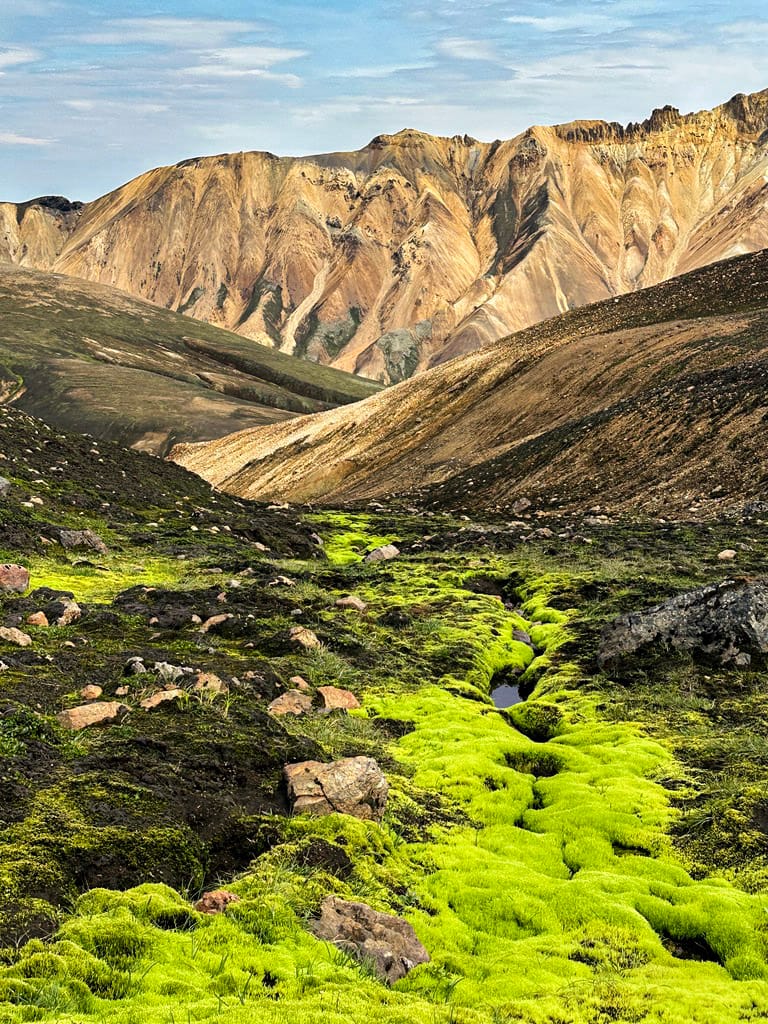
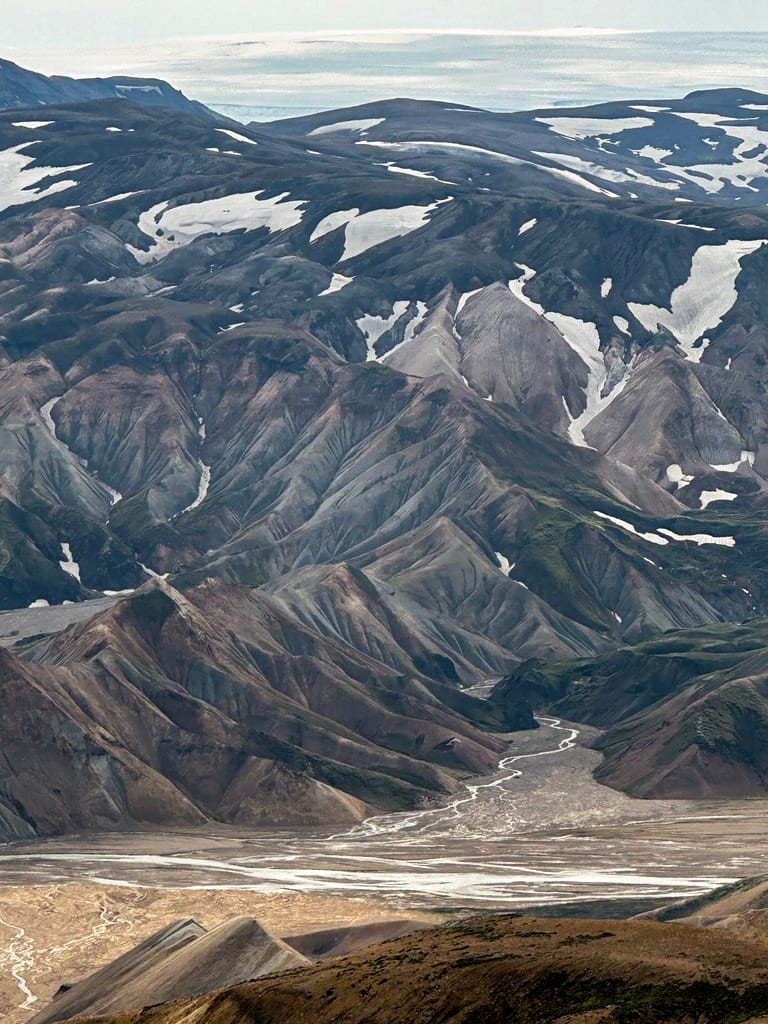
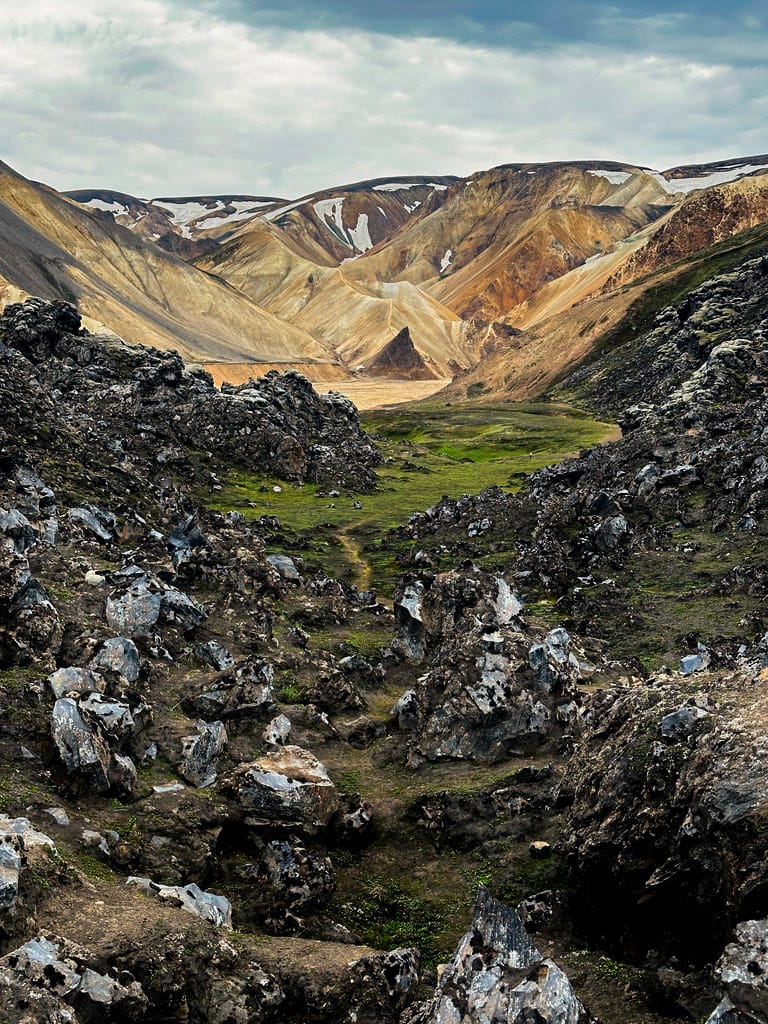
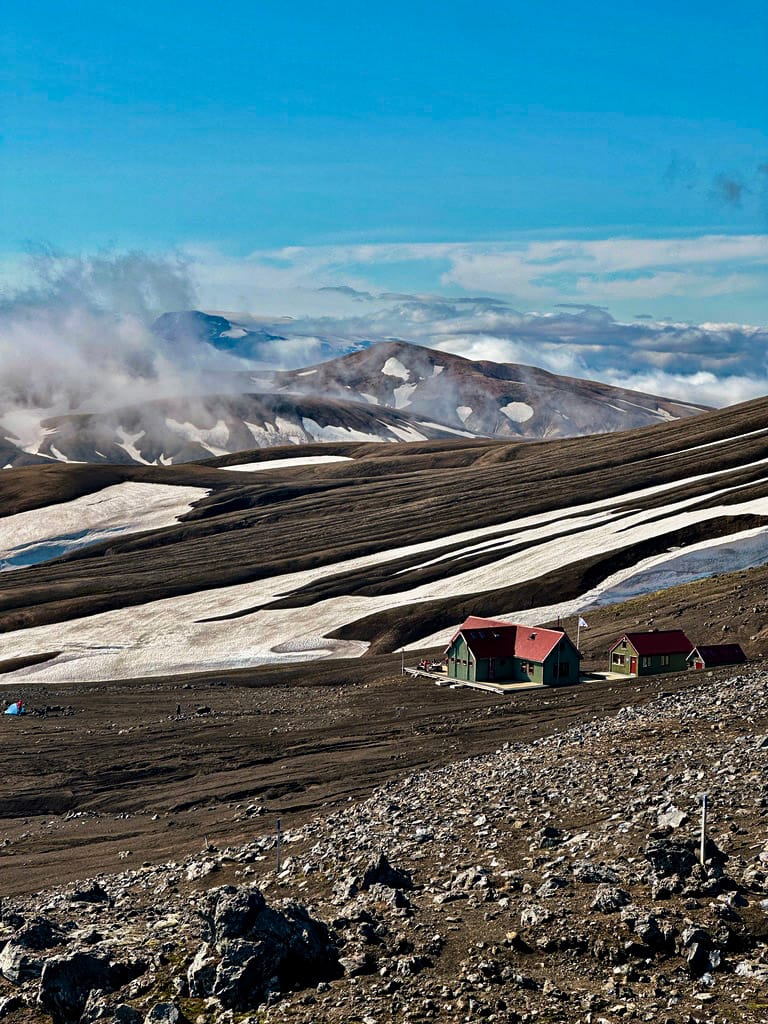
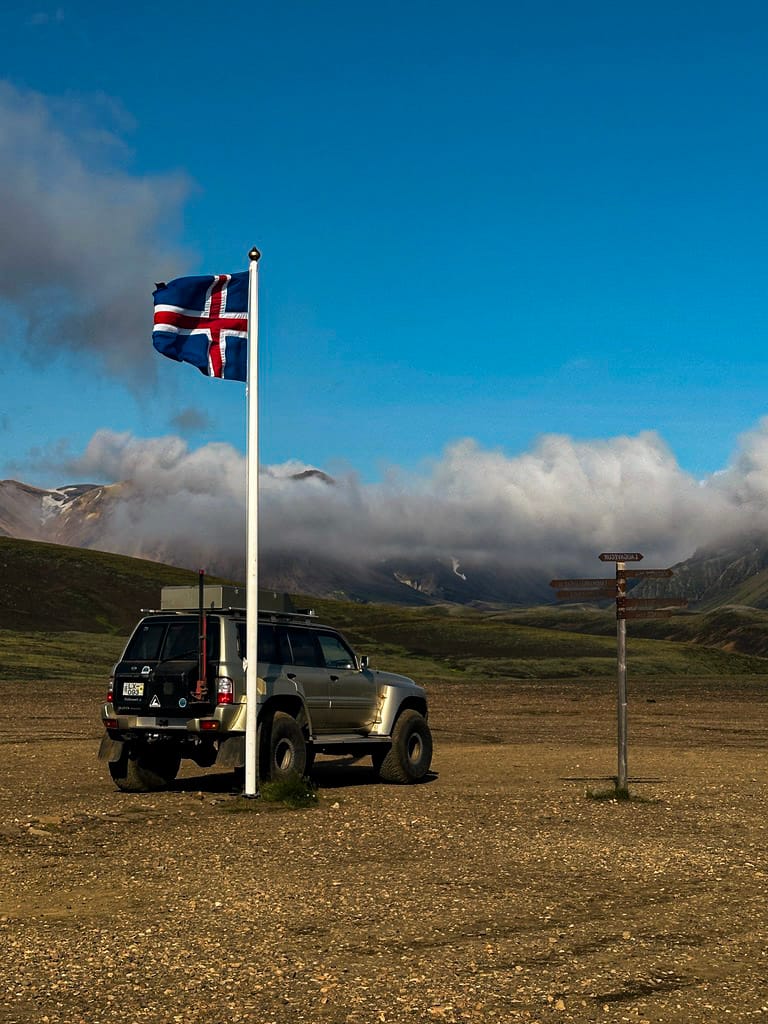
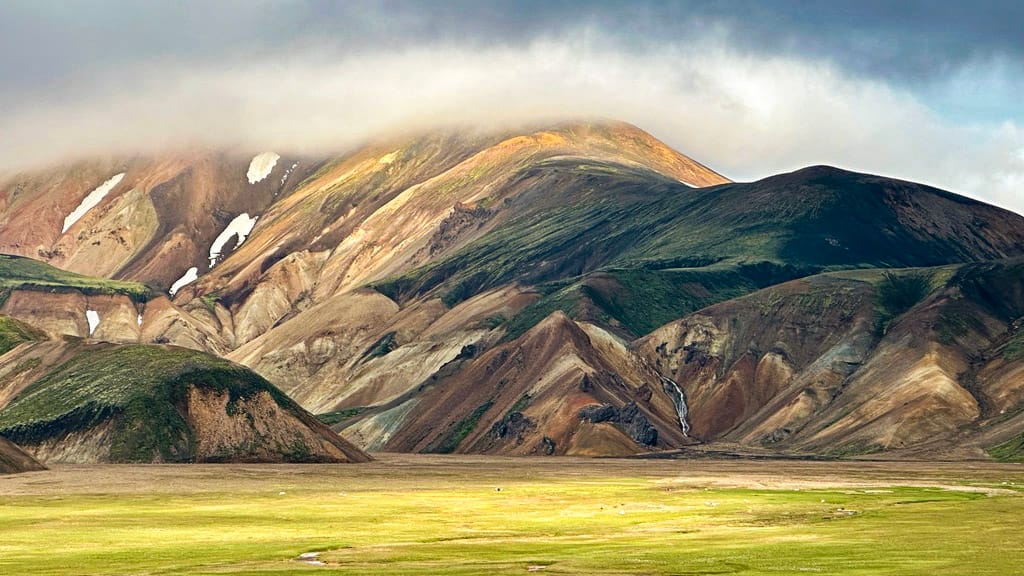
Few hikes I've done have begun this way. The trailhead wasn't reached by foot but by a towering four-wheel-drive bus. The sort of vehicle that looked capable of driving across the surface of the moon. As we left the last traces of civilization behind, the landscape shed all familiarity. Black volcanic sand stretched toward distant mountains, streaked with green moss and rust-colored rhyolite. There were no forests to soften the horizon, no villages tucked into valleys. There was just a vast expanse that felt like somewhere the earth had only recently finished making.
It was a landscape that didn't seem to invite exploration so much as issue a challenge.
Or perhaps, more quietly:
Come and find me.
The first day was almost disappointingly gentle. The sky was impossibly clear. The air was cool but kind. Streams spilled down volcanic slopes with an almost rehearsed beauty, and every anxious scenario I had played through at home began to feel faintly ridiculous. Had I really spent weeks worrying about this?
The wind, it seemed, had decided not to come.
It waited until I had stopped looking for it.
It did not arrive with the theatrical violence I had imagined. There was no dramatic wall of air or single unforgettable gust. Instead, it entered quietly, as a steady pressure against my shoulder, as though someone unseen had rested a hand there and begun gently steering me.
By the end of the first day I found myself leaning into it without thinking. By the second, I adjusted every step instinctively. I learned to brace while pitching my new tent, which felt invincible against the gusts. I remembered to weigh down loose gear before walking away, to tighten my hat before it flew away.
I began to wonder whether I had misunderstood the stories, or whether fear had a way of growing in the reddit posts and retelling. "This isn't so bad," I thought.
My final day would force me to reconsider.
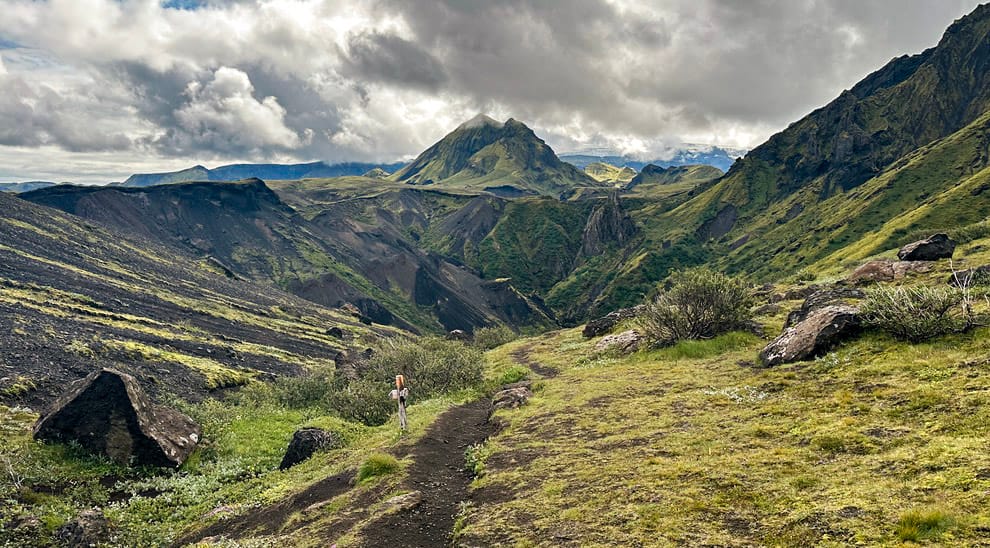
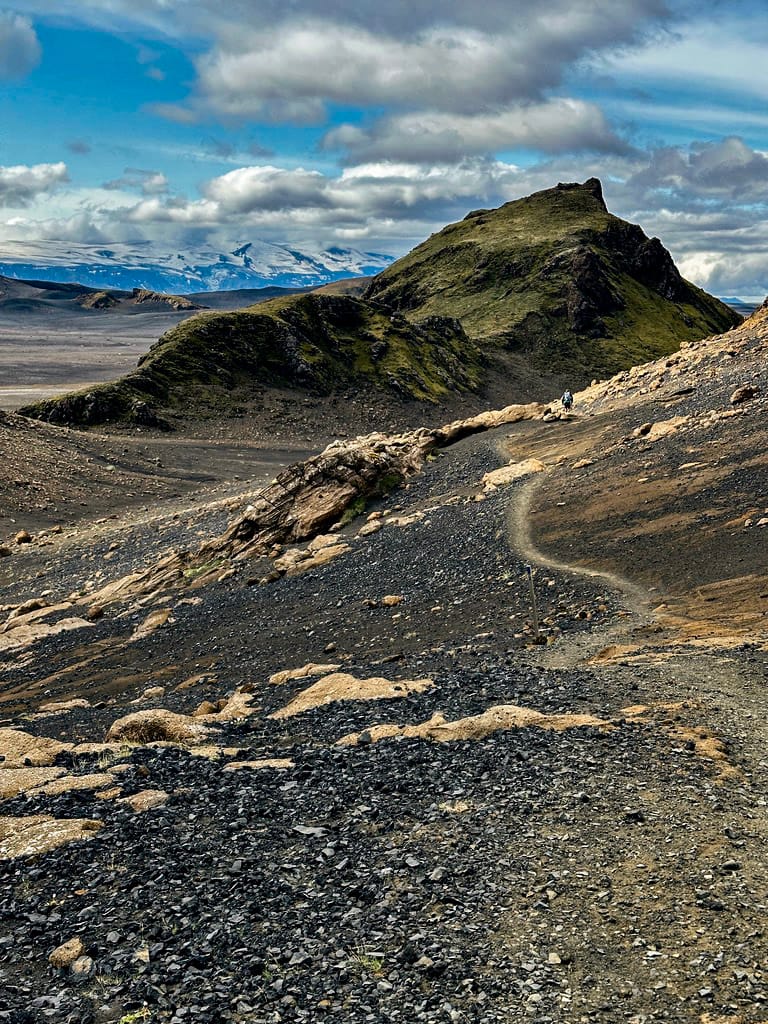
I decided to climb Rjúpnafell. It looked almost deceptively inviting, like a child's drawing of a mountain, its ridgeline traced by a gentle zigzagging path that suggested the summit would welcome anyone willing to make the effort.
Halfway up, the trail narrowed onto a spine where the mountain fell away sharply on either side. That was where the wind found me.
It announced itself first as a low howl, rising through the valley before reaching the ridge. Then it hit. Not as a single gust, but as a sustained force that shoved against my back hard enough to knock me to my hands. Within seconds, the summit disappeared behind a wall of cloud that rolled over the ridge with startling speed. The path I'd been following only moments before dissolved into gray.
Standing there, I understood something I hadn't fully grasped while reading weather reports or watching videos at home. The mountain hadn't suddenly become dangerous. It had always been this way. I had simply arrived during the brief moments it had allowed me to forget.
I turned around.
At home, competence often feels indistinguishable from control. Enough planning convinces us that uncertainty is simply another problem waiting to be solved.
The wind was immune to all of that.
It did not care how carefully I had packed my backpack, how many reviews I had read, or how much money I had spent on my tent. It had no interest in my itinerary and certainly no care for my ambitions. Long before I arrived, it had been sculpting mountains and carrying volcanic ash across the highlands. Long after I left, it would continue.
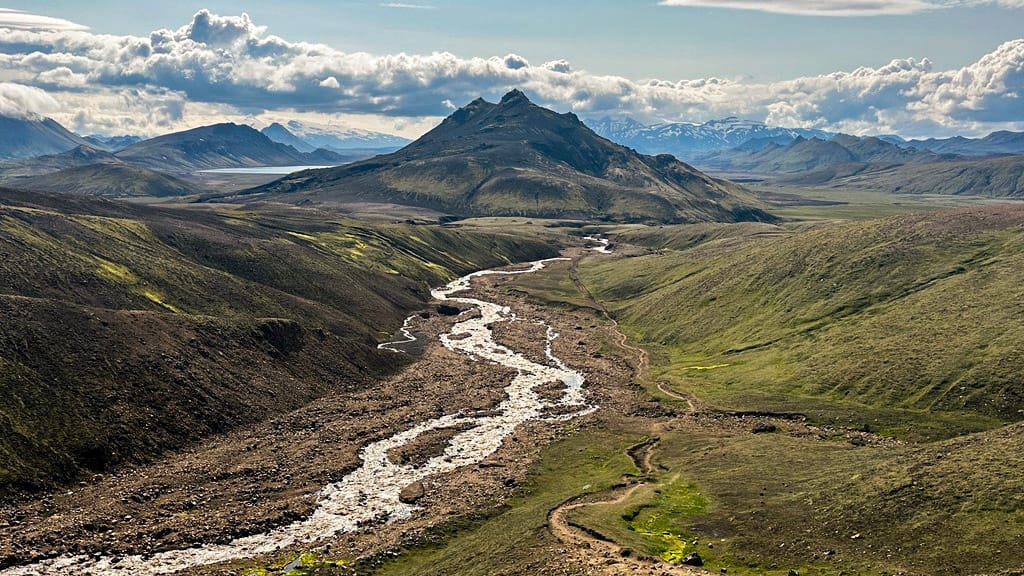
There was something unexpectedly comforting in that indifference. I had come to Iceland expecting to write my own adventure. Instead, I discovered I had been invited into one already in progress. The wind had been shaping these mountains long before I arrived and would continue long after I was gone. My role was not to conquer the landscape. My role was simply to borrow a few days from a story that did not belong to me.